Knives are the most important tools in your kitchen — and most home cooks are unknowingly destroying them through poor habits. Damaged edges lead to dangerous slips and poor culinary results. Here's what to stop doing, and how to fix it.
1. Putting knives in the dishwasher
The dishwasher is the primary cause of knife degradation in the home kitchen. High-temperature cycles can warp the steel and temper of the blade. Harsh detergents cause pitting and corrosion on both stainless and carbon steel. Water jets cause knives to rattle against racks, dulling the edge instantly — and wood handles crack while composite handles lose their seal.
The fix is simple: wash knives by hand immediately after use with mild dish soap and a soft sponge, then dry them right away with a clean towel. Never let knives air dry in a rack.
2. Cutting on hard surfaces
If the cutting surface doesn't give, your knife's edge will fold or chip. Glass is harder than steel and dulls the edge in a single use. Granite and marble are extremely abrasive and cause micro-chipping. Ceramic surfaces will roll the edge immediately, and stainless steel is simply metal on metal — a disaster for any sharp blade.
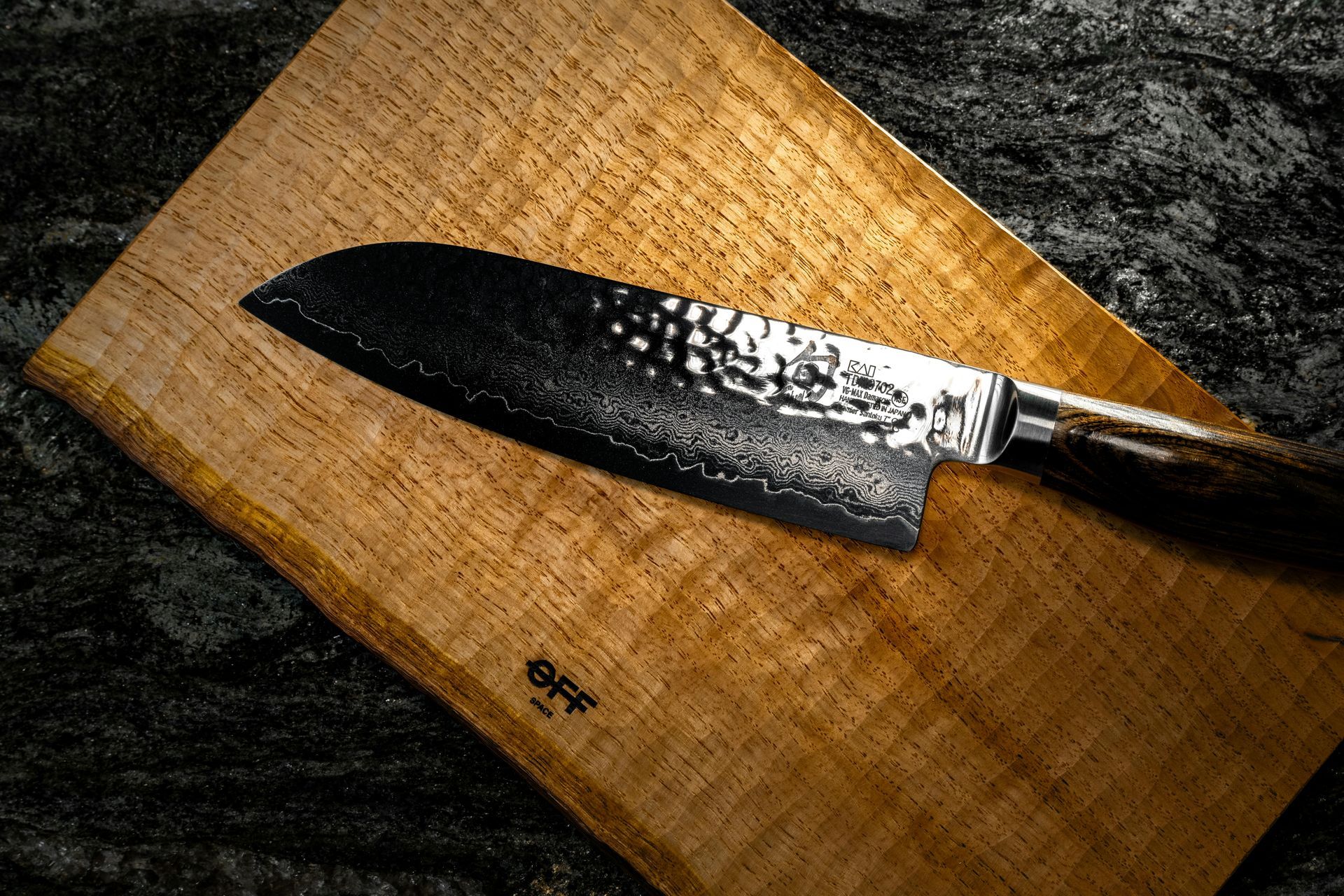
The right surfaces give a little. End-grain wood is the gold standard — the fibers open to receive the blade rather than fighting it. Plastic or high-density polyethylene boards are affordable and easy to sanitize. Bamboo is a decent alternative, though it's harder on knives than traditional wood.
3. Improper storage
Tossing knives loose into a drawer is dangerous for both the knife and your fingers. When knives clatter against other utensils, they chip each other. Reaching into a drawer full of loose, sharp blades is a reliable way to get a bad laceration.
A magnetic strip is the most space-efficient option — place the spine against the magnet first, then roll the edge onto it gently. A knife block works well too; just make sure to keep the slots clean to prevent bacteria growth. For drawer storage, individual edge guards — plastic or felt-lined sheaths — protect both the blade and your hand.
4. Scraping food with the edge
Moving chopped vegetables across the board with the sharp edge facing down is one of the most common habits in the kitchen — and one of the most damaging. Knife edges are designed for vertical or slicing pressure, not sideways scraping. Even a few passes will roll the delicate apex of the edge, making it feel dull almost immediately.
Turn the knife over. Use the spine — the blunt back of the blade — to scoop or move food. For large amounts of prep, a bench scraper is the right tool entirely.
5. Ignoring regular honing
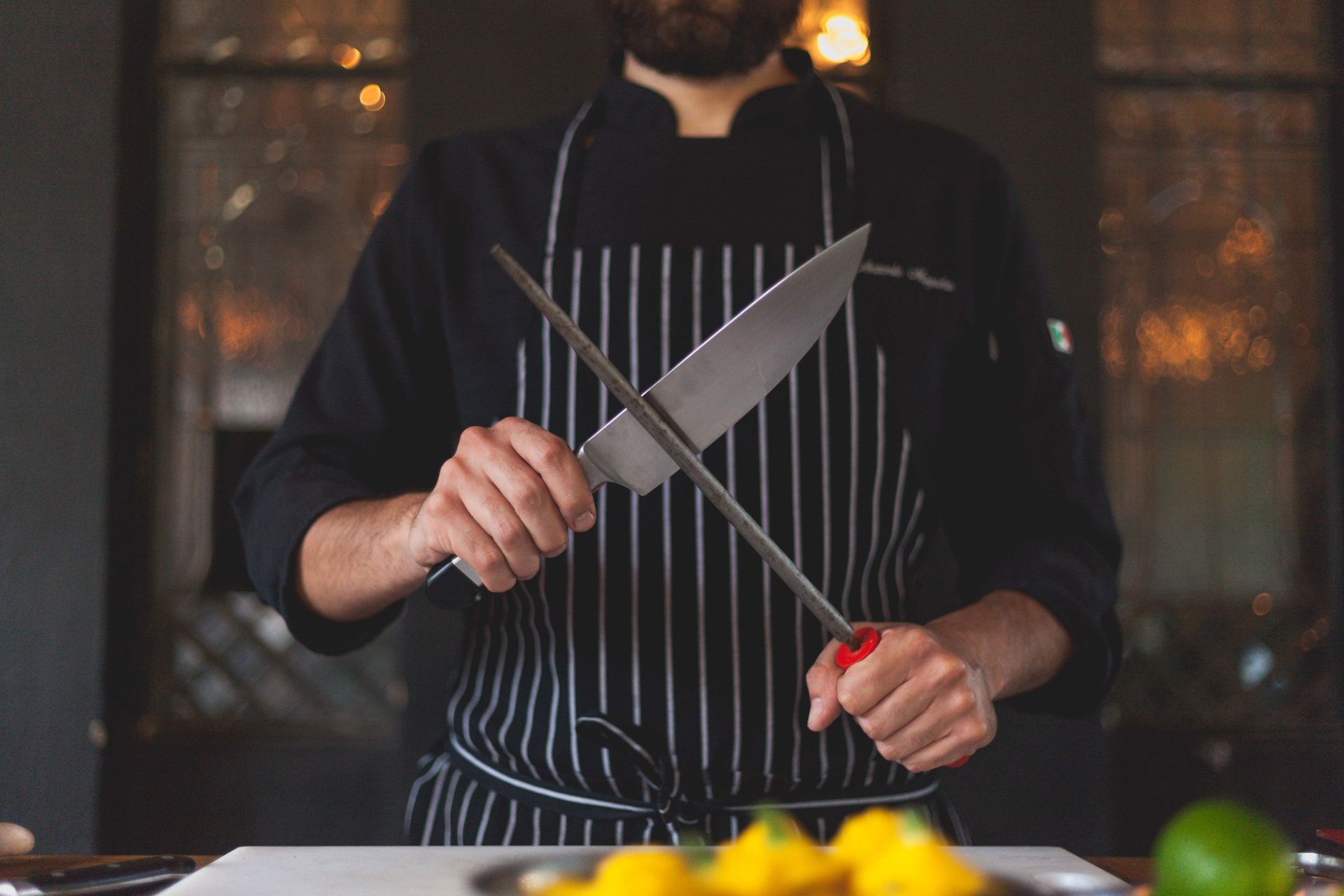
Honing and sharpening are not the same thing, and confusing them is a costly mistake. Honing uses a ceramic or steel rod to realign a folded edge — it doesn't remove any metal. Sharpening uses stones to actually grind away metal and create a new edge. Most people wait until a knife is completely blunt before doing anything, when regular honing would have kept it performing well all along.
Hone your knife every two or three uses, holding the rod at a consistent 15–20 degree angle. When honing no longer restores the "bite," it's time for professional sharpening on whetstones.
6. Using one knife for everything
A chef's knife is versatile, but it is not a universal tool. Using a thin Japanese blade to cut through frozen meat will chip the steel. Attempting to cut through bone with a slicing knife leads to edge failure. Even cutting cardboard — which is abrasive and full of glue — will destroy a kitchen knife edge fast.
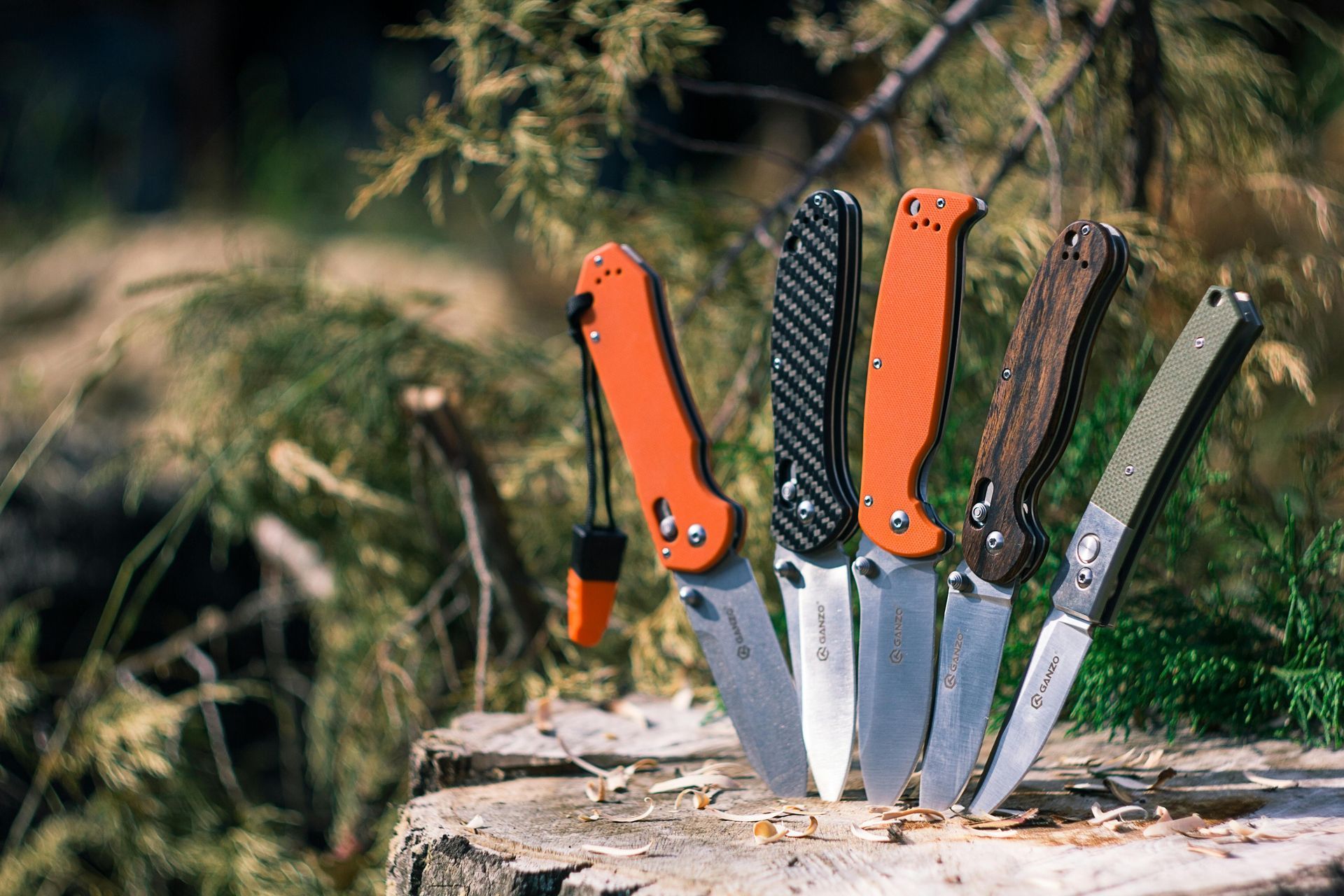
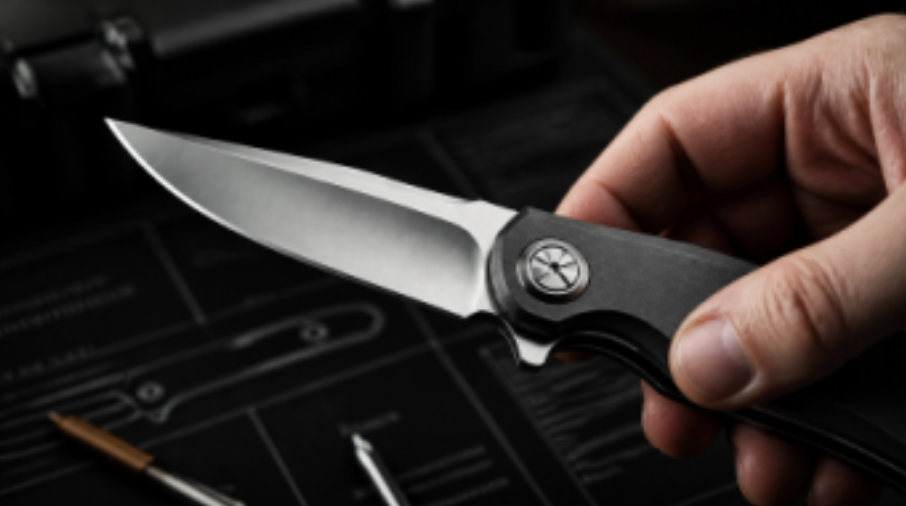
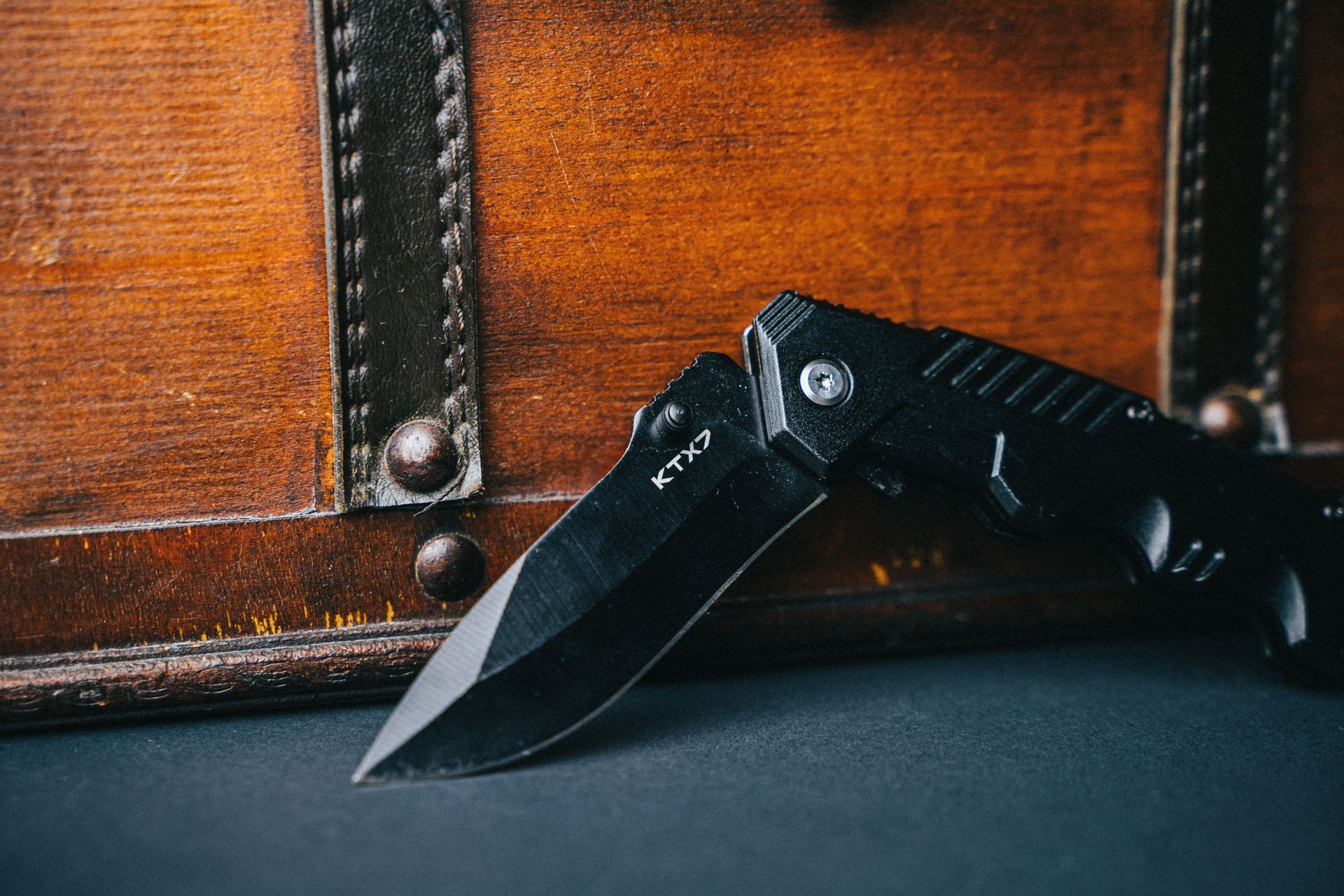
A basic kit should include a chef's knife for general prep, a serrated bread knife, and a paring knife for detail work. Keep a heavy cleaver for bones and a utility knife for anything that isn't food. Check The Knife Guy's gallery to see the range of blades they service and sell.
7. Using pull-through sharpeners
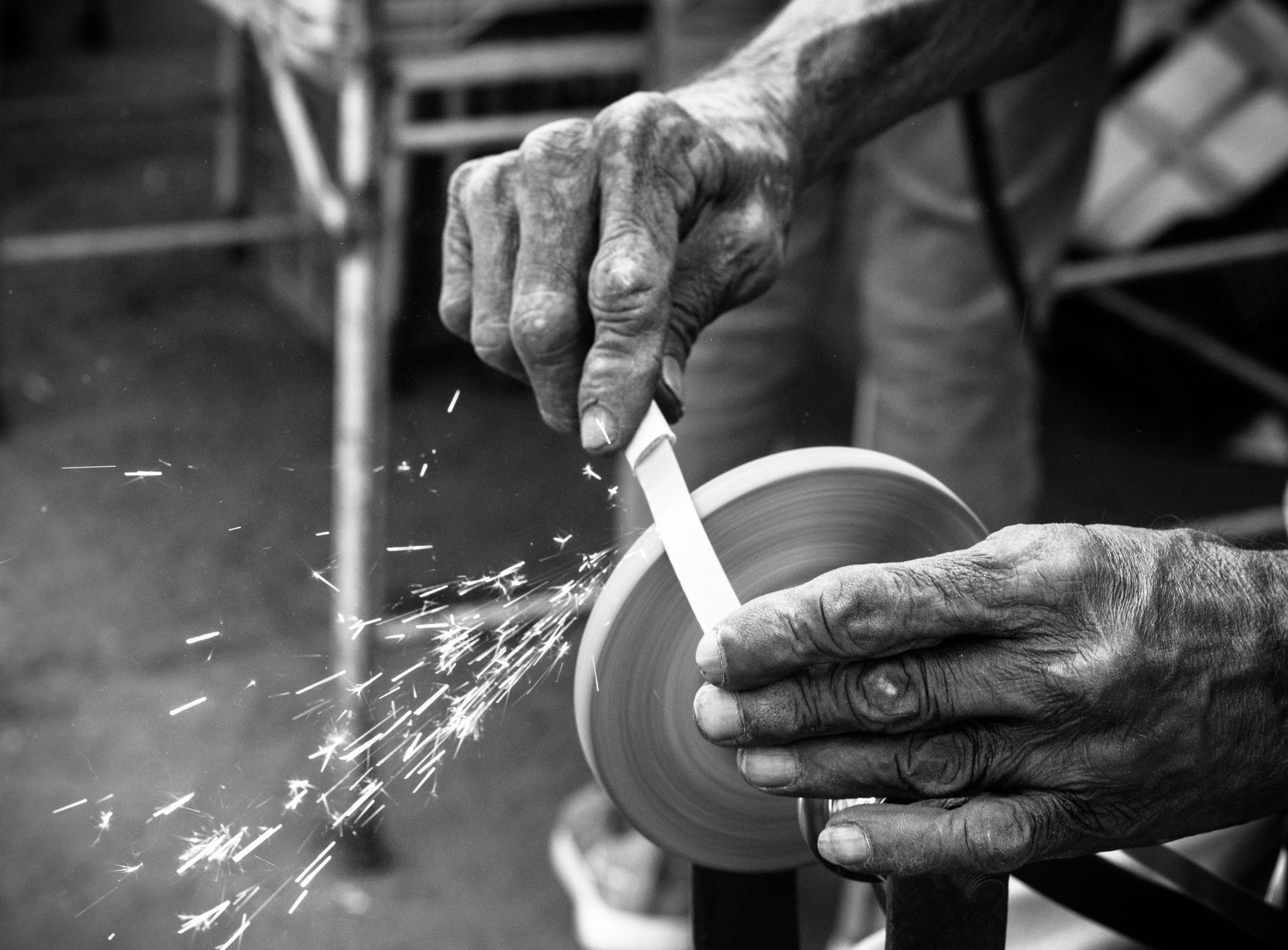
These countertop devices look convenient, but they do real damage. The carbide V-shape shaves off large, uneven amounts of steel, leaving behind a rough and ragged edge that tears food rather than slices it. With regular use, your knives will wear down to nubs in a fraction of their intended lifespan.
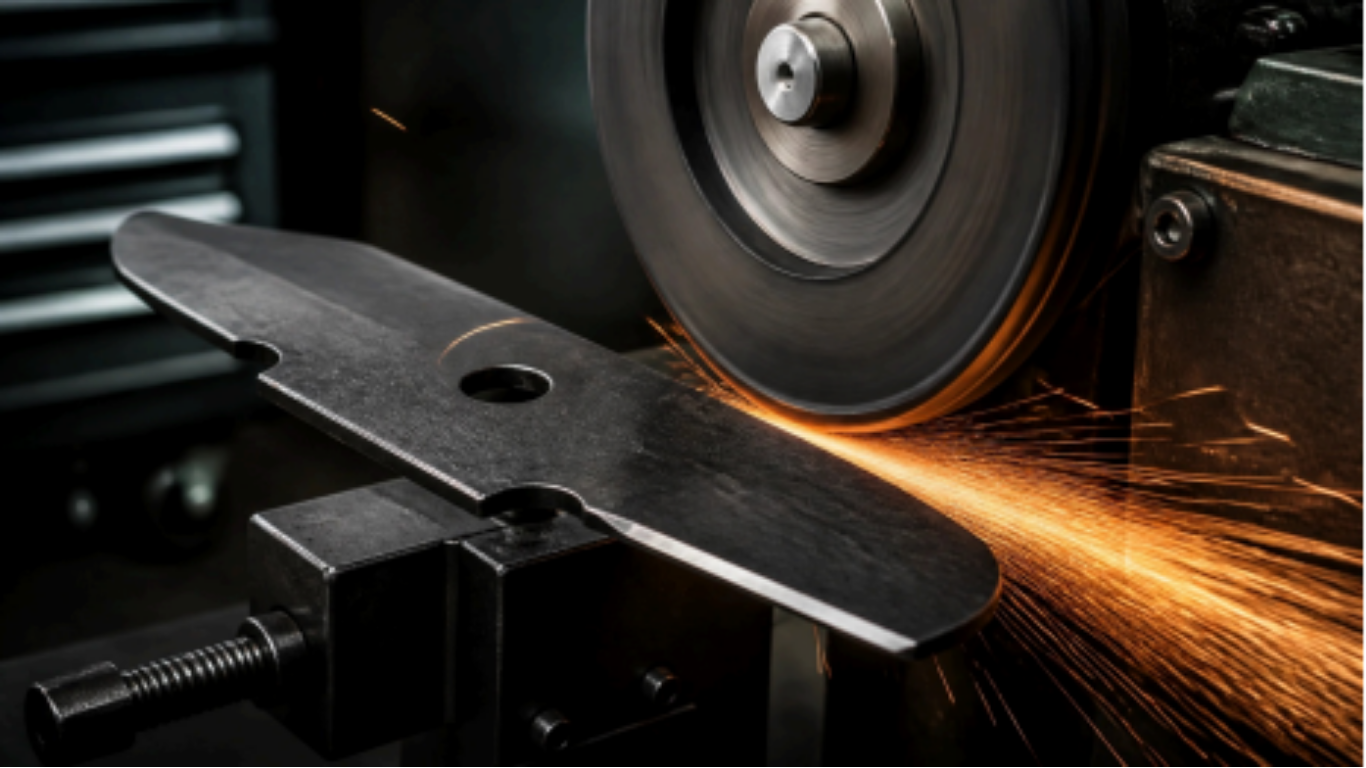
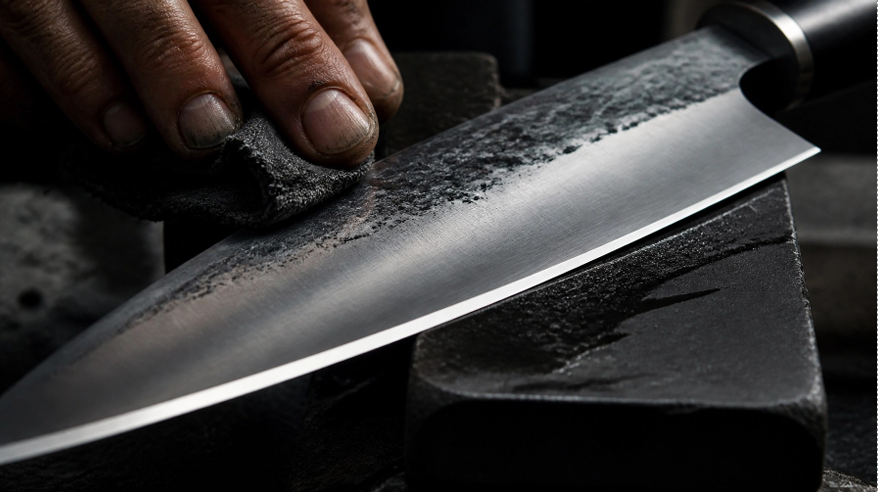
Whetstones are the traditional, most effective way to sharpen. If you don't have the time or skill to learn, a professional sharpening service uses precision equipment to restore a clean edge with minimal metal loss. Learn more about The Knife Guy's sharpening services.
When to seek professional repair
Sometimes, regular maintenance isn't enough. If your knife has a broken tip, deep chips, or surface rust, it needs professional restoration. The Knife Guy offers tip reshaping, thinning, chip removal, and rust remediation — treating every blade, whether a family heirloom or a daily workhorse, with professional care.
John Ketterer, the owner, is also frequently out in the community. Check the 2026 Spring/Summer Event Calendar to find him at a local event near you.
Visit gettheknifeguy.com or use the contact form to get started. And if you're weighing whether to restore or replace a favorite blade, read their detailed guide on restoration vs. buying new.