Magnetize the blade, roll the stone, instant edge. And to be fair—for basic maintenance, they have a place. But when it comes to real restoration, they fall short.
Understanding the difference between a quick touch-up and a professional knife repair service is the difference between a functional tool and a ruined investment.
The Rolling Sharpener Trend: Convenience Over Precision
Rolling sharpeners are the current “it” tool for home kitchens. They use a magnetic block to hold a knife at a fixed angle (usually 15 or 20 degrees) while you roll a diamond or ceramic disc along the edge.
The Pros
- Consistency: The magnet locks in the angle, so there’s no guesswork.
- Ease of Use: Anyone can use one—no learning curve like whetstones.
- Speed: Great for quick touch-ups on mildly dull knives.
The Cons
- One Size Fits All: Limited angle options don’t work for every knife.
- No Repair Capability: They can’t fix chips, broken tips, or warped edges.
- Aggressive Metal Removal: Diamond discs can wear down your blade quickly if misused.
- Hard-to-Reach Areas: They struggle to sharpen the heel near the bolster.
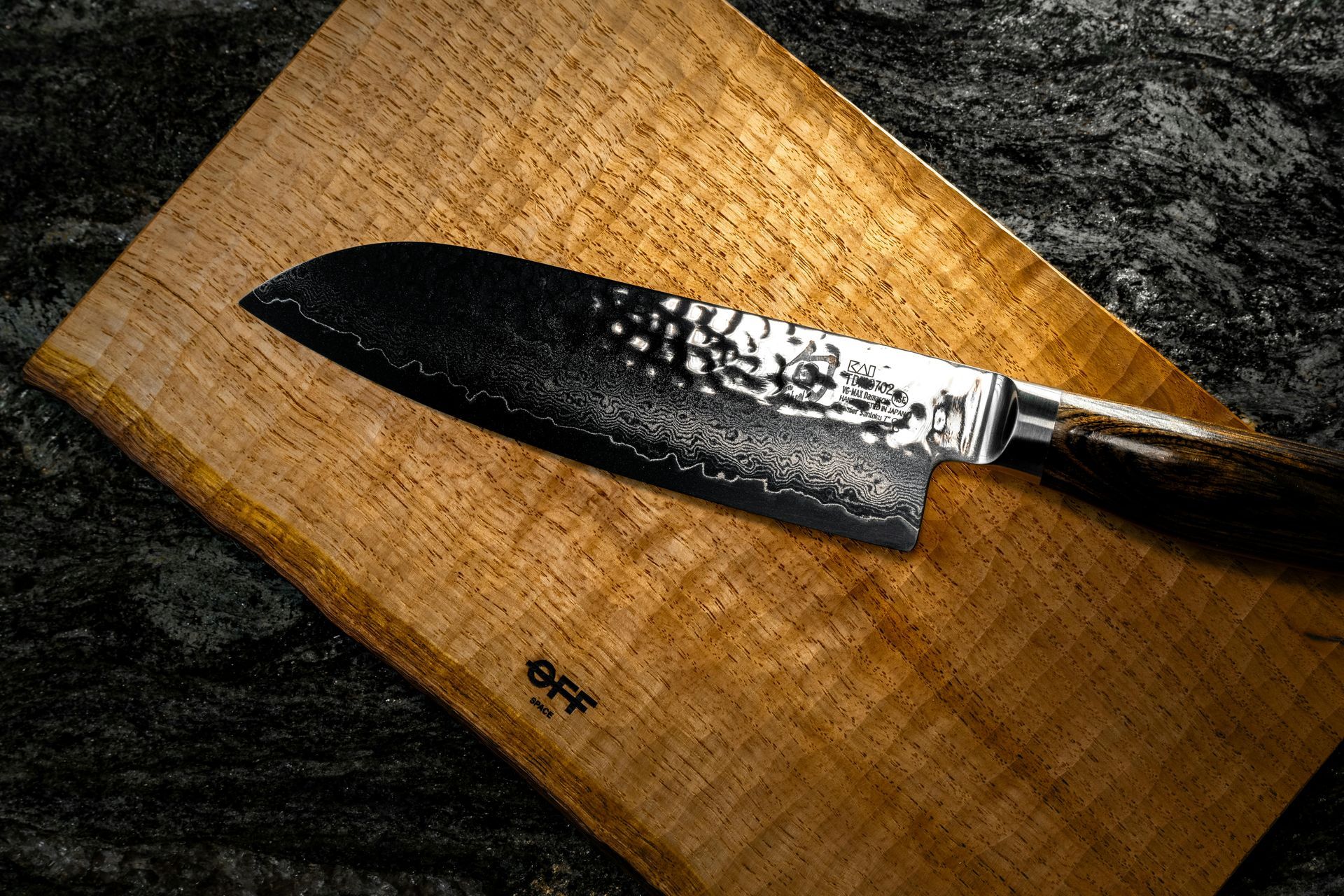
If you’re working with a high-end knife—like a Japanese chef’s knife with a 12-degree bevel—a standard 15-degree sharpener can actually damage the original edge.
Why You Need a Professional Knife Repair Service
Sharpening is maintenance. Repair is restoration.
A professional knife repair service handles the kinds of damage a rolling sharpener simply can’t touch. Knives come in with broken tips, deep chips from hitting bone, and warped edges from years of improper sharpening.
What Professional Repair Includes
- Tip Re-profiling: Rebuilding a broken or rounded tip
- Chip Removal: Smoothing out jagged damage along the edge
- Thinning: Restoring proper blade geometry for clean slicing
- Bolster Adjustment: Grinding down thick areas so the full edge can make contact
Rolling sharpeners are for people who want a quick edge today. Professional repair is for people who want their knife to perform for years.
Experience That Matters
Knife repair isn’t just about grinding metal—it’s about understanding it.
A skilled technician understands heat treatment, edge stability, and blade geometry. That knowledge is what separates a quick fix from true restoration.
The Professional Process
When you send a knife in for repair, you’re getting more than sharpening—you’re getting a full restoration.
1. Inspection
The blade is examined for cracks, warping, and safety issues.
2. Quoting
Clear pricing based on damage and steel type—no surprises.
3. Cleaning
Rust, oxidation, and buildup are removed.
4. Geometry Restoration
Over time, blades get thick behind the edge. Thinning restores cutting performance.
5. Precision Sharpening
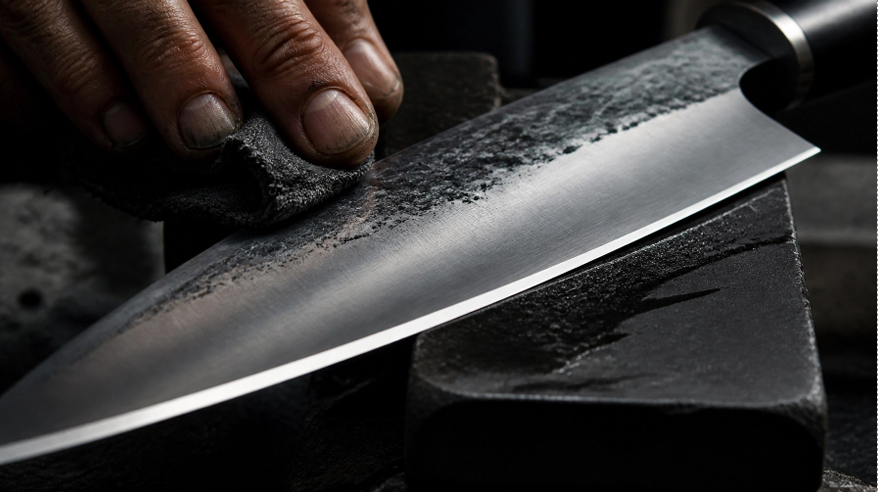
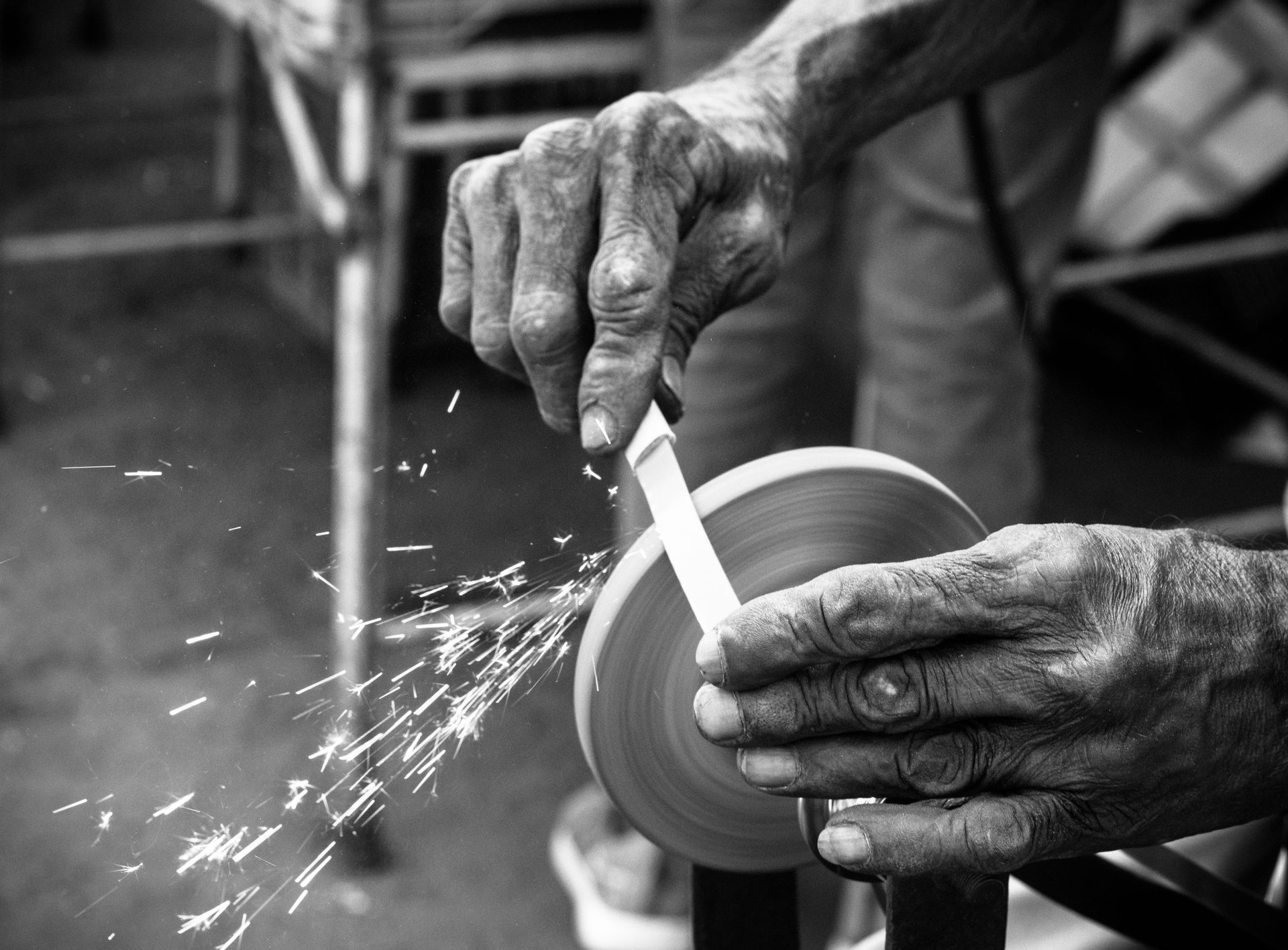
Professional equipment (often water-cooled) prevents overheating and preserves the steel’s integrity.
6. Honing & Polishing
The edge is refined to a smooth, razor-sharp finish.
7. Quality Control
Every knife is tested before it leaves the bench.
When to Seek Knife Repair
Don’t wait until your knife is completely unusable. Look for these signs:
- Light gaps under the edge when placed on a flat surface
- Broken or rounded tips
- Rust or pitting
- Persistent dullness, even after sharpening
If a rolling sharpener isn’t helping anymore, your blade likely needs professional attention.
Investing in Your Tools
Replacing a high-quality knife set can cost hundreds or even thousands of dollars. Repairing your existing knives costs a fraction of that—and keeps tools you already trust in circulation.
Rolling Sharpener vs. Professional Service: The Verdict
Use a Rolling Sharpener if:
- Your knives are in good condition
- You only need light maintenance
- You want a quick, DIY solution
Use a Professional Knife Repair Service if:
- Your knife has chips or a broken tip
- You own high-end or specialty knives
- The blade feels thick or cuts poorly
- You want a long-lasting, precise edge
Final Thoughts
“Sharp enough” isn’t the same as truly sharp—and it definitely isn’t the same as properly restored.
If you care about your tools, it’s worth going beyond quick fixes. A well-maintained knife isn’t just easier to use—it’s safer, more efficient, and built to last.