Japanese knives are renowned for their exceptional sharpness, specialized craftsmanship, and highly refined cutting performance. One of the most important features that determines how these knives function is the bevel—the angled surface that forms the blade’s cutting edge.
Understanding bevel geometry is essential for maintaining performance, selecting proper sharpening techniques, and protecting your investment in high-quality cutlery.
For anyone searching for kitchen knife repair or sharpening services, knowing the difference between bevel types can mean the difference between preserving a precision tool and permanently damaging it.
Bevel Basics: Why Blade Geometry Matters
The bevel is not simply the “sharp part” of the knife. It is a carefully engineered angle that influences:
- Cutting precision
- Edge retention
- Food release
- Sharpening complexity
- Blade durability
Japanese knife bevels are often more specialized than Western designs, requiring a greater level of knowledge during maintenance and repair.
Main Bevel Types:
- Single-Bevel (Kataba): One side sharpened, one side mostly flat or concave
- Double-Bevel (Ryoba): Both sides sharpened to create a V-shaped edge
- Micro-Bevel: A tiny secondary edge added for durability
Single-Bevel Knives: Traditional Japanese Precision
Single-bevel knives are commonly used in traditional Japanese culinary applications such as sushi preparation, vegetable carving, and fish butchery.
Common Examples:
Key Features:
- Typically sharpened at 15–17 degrees on one side
- Opposite side includes a slight concave grind known as Urasuki
- Designed for extremely clean, precise cuts
- Reduces drag and food sticking
- Ideal for delicate slicing tasks
Advantages:
- Superior cutting precision
- Cleaner ingredient surfaces
- Enhanced control for professional applications
Risks:
Improper sharpening can:
- Destroy the Urasuki
- Damage the Shinogi line
- Alter handedness
- Compromise performance permanently
Because of this, single-bevel knives require specialized professional care.
Anatomy of a Single-Bevel Knife
Understanding the blade structure is critical for proper maintenance.
Important Components:
- Shinogi Line: Ridge separating the bevel from the blade face
- Urasuki: Concave backside grind reducing drag
- Uraoshi: Thin flat edge around the concavity for structural support
These design elements are highly specialized and should never be treated like standard Western knives.
Double-Bevel Knives: Modern Versatility
Double-bevel Japanese knives are more familiar to many users and include popular all-purpose designs.
Common Examples:
Key Features:
- Sharpened on both sides
- Usually 10–15 degrees per side
- Harder steel than most Western knives
- Thinner blade profile
- Greater versatility for general kitchen use
Benefits:
- Easier maintenance than single-bevel knives
- Exceptional sharpness
- Better precision than many Western counterparts
Risks:
Using improper sharpening angles can:
- Remove excessive steel
- Reduce lifespan
- Compromise factory geometry
Micro-Bevels: Small Detail, Major Impact
Many premium Japanese knives incorporate micro-bevels to improve durability.
Purpose:
- Adds strength to thin edges
- Reduces chipping
- Improves cutting board durability
- Maintains edge longevity
Maintenance Considerations:
Poor sharpening can remove the micro-bevel, resulting in:
- Increased brittleness
- More frequent chipping
- Reduced edge stability
Handedness Matters
Traditional single-bevel knives are often designed specifically for right-handed users.
Why This Is Important:
- Blade geometry directs food movement
- Wrong-handed use can create dangerous cutting behavior
- Left-handed users require mirror-image bevels
A knowledgeable repair service should always identify and preserve handedness-specific geometry.
Why Professional Knife Repair Is Essential
Japanese knives are precision tools that demand expert handling.
DIY Sharpening Risks:
- Flattening concave grinds
- Wandering Shinogi lines
- Overheating steel
- Incorrect bevel angles
- Permanent structural damage
Professional Knife Repair Services Typically Include:
- Precision sharpening
- Chip repair
- Tip restoration
- Blade thinning
- Geometry correction
- Steel-safe heat management
The Knife Guy Advantage
With over 13 years of experience, The Knife Guy specializes in restoring both traditional and modern Japanese knives.
Benefits Include:
- Expertise with Japanese blade geometry
- Specialized knowledge of high-carbon steel
- Full bevel restoration
- Satisfaction guarantee
- Local trusted reputation in Bucks County
Maintenance Tips for Japanese Knives
To preserve bevel integrity between professional services:
- Hand wash only
- Dry immediately after use
- Use soft cutting boards (wood or soft plastic)
- Avoid bones and frozen foods
- Store properly to protect the edge
Signs Your Japanese Knife Needs Professional Attention
- Sliding off food surfaces
- Difficulty slicing cleanly
- Edge chipping
- Increased drag
- Visible bevel asymmetry
- Thickened cutting feel
Protect Your Precision Investment
Japanese knives are among the finest culinary tools available, but their performance depends entirely on maintaining proper bevel geometry.
Choosing a professional knife repair service ensures:
- Longer blade lifespan
- Factory-spec edge retention
- Superior cutting performance
- Protection of specialized craftsmanship
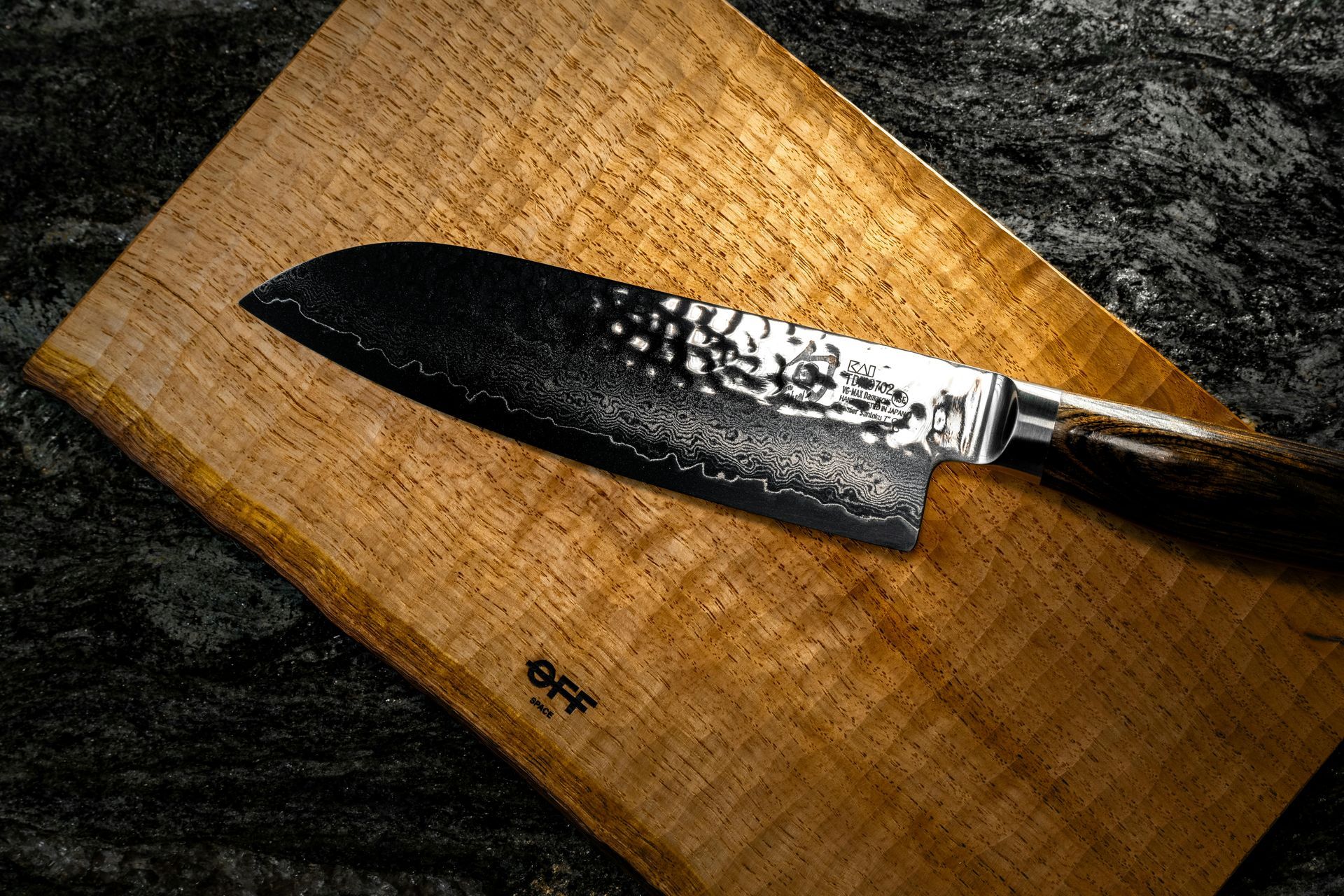
Whether you own a traditional Yanagiba or a modern Santoku, proper bevel care is essential.
Trust experienced professionals to preserve your blade’s precision, performance, and value.