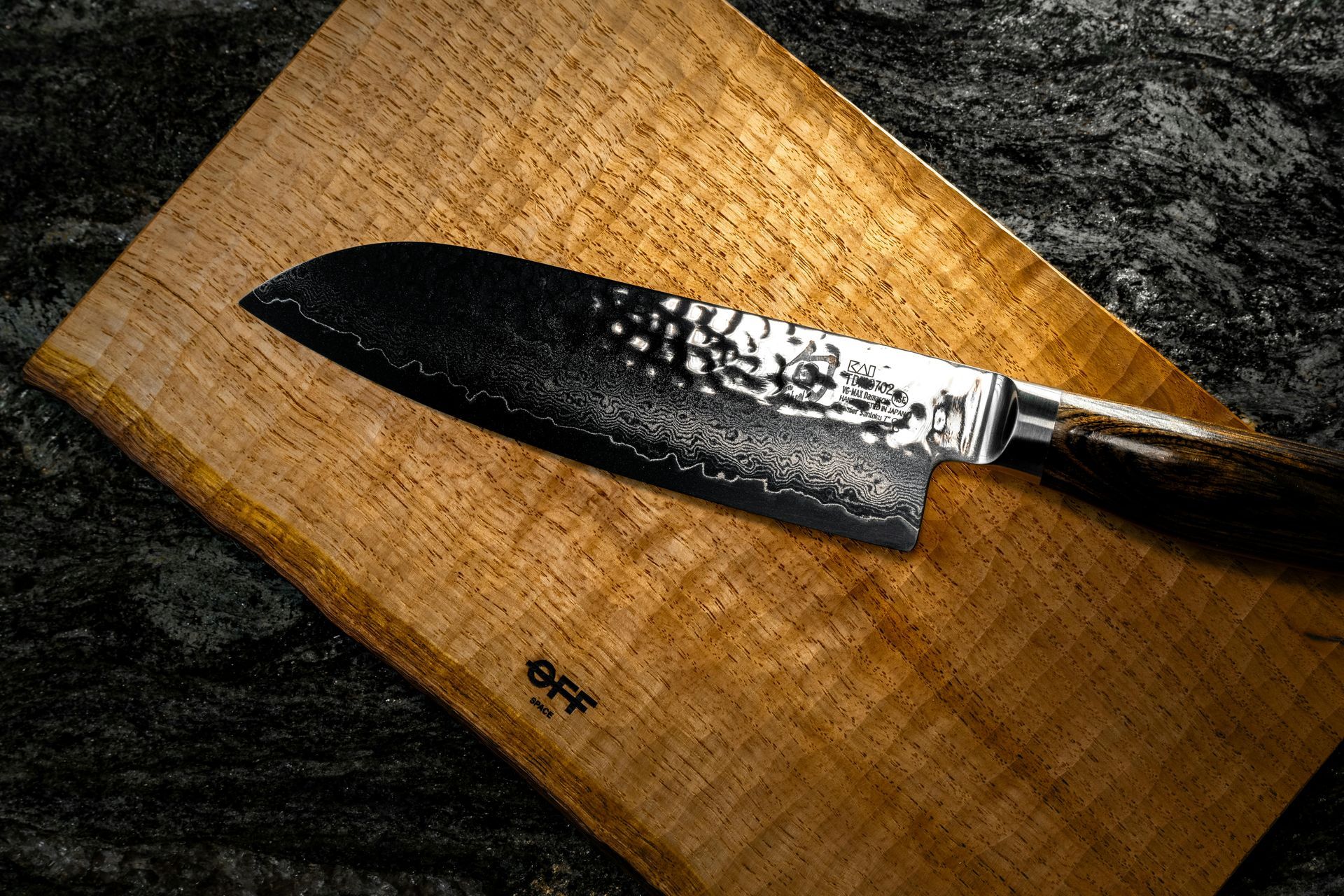
Dull knives are more dangerous than sharp ones. A sharp blade cuts exactly where you intend, while a dull blade is more likely to slip, slide, and cause injury.
Many home cooks unknowingly adapt to dull knives by using extra force, sawing through food, or accepting crushed ingredients as normal. But there’s an easy way to tell if your knife needs attention: the tomato test.
Why Tomatoes Are the Perfect Knife Test
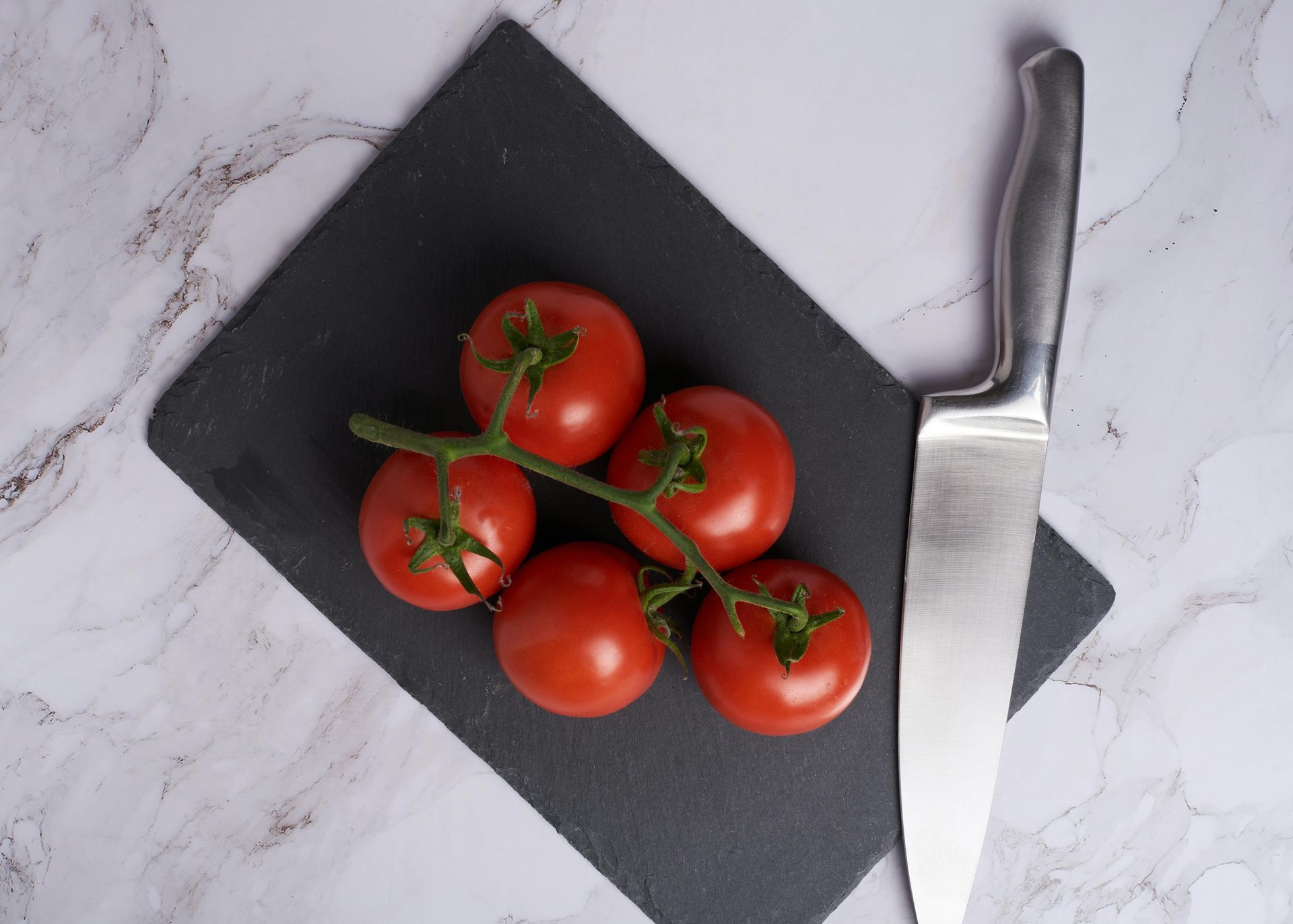
Tomatoes are ideal for testing blade sharpness because they combine:
- Smooth, slippery skin that requires a precise edge
- Soft interior that reveals whether the knife slices cleanly or crushes
A properly sharpened knife should pierce the skin effortlessly without smashing the tomato.
How to Perform the Tomato Test
1. Choose the Right Tomato
- Use a ripe, room-temperature tomato
- Standard vine-ripened or beefsteak tomatoes work best
- Avoid Roma or plum tomatoes, which often have thicker skin
2. Position Your Knife
- Place the tomato on a stable cutting board
- Rest the heel of the knife on top of the tomato
- Hold the blade at a 90-degree angle
3. Perform the Cut
- Gently pull the knife toward you
- Use zero downward pressure
- Let the knife’s weight do the work
Understanding the Results
Perfect Pass
Result: The blade slices immediately and smoothly
Verdict: Your knife is in excellent condition.
The Skate
Result: The blade slides before catching
Verdict: The edge is dull and likely needs sharpening.
The Squish
Result: The knife cuts but crushes the tomato
Verdict: The blade may need thinning or professional repair.
Total Failure
Result: The blade slips off entirely or requires force
Verdict: Stop using the knife until it’s professionally sharpened.
When Sharpening Alone Isn’t Enough
Sometimes the tomato test reveals deeper structural issues, including:
- Chipped edges
- Broken tips
- Blade curvature problems
- Bent blades
These issues often require professional knife repair rather than simple sharpening.
Professional Knife Sharpening vs. DIY Tools
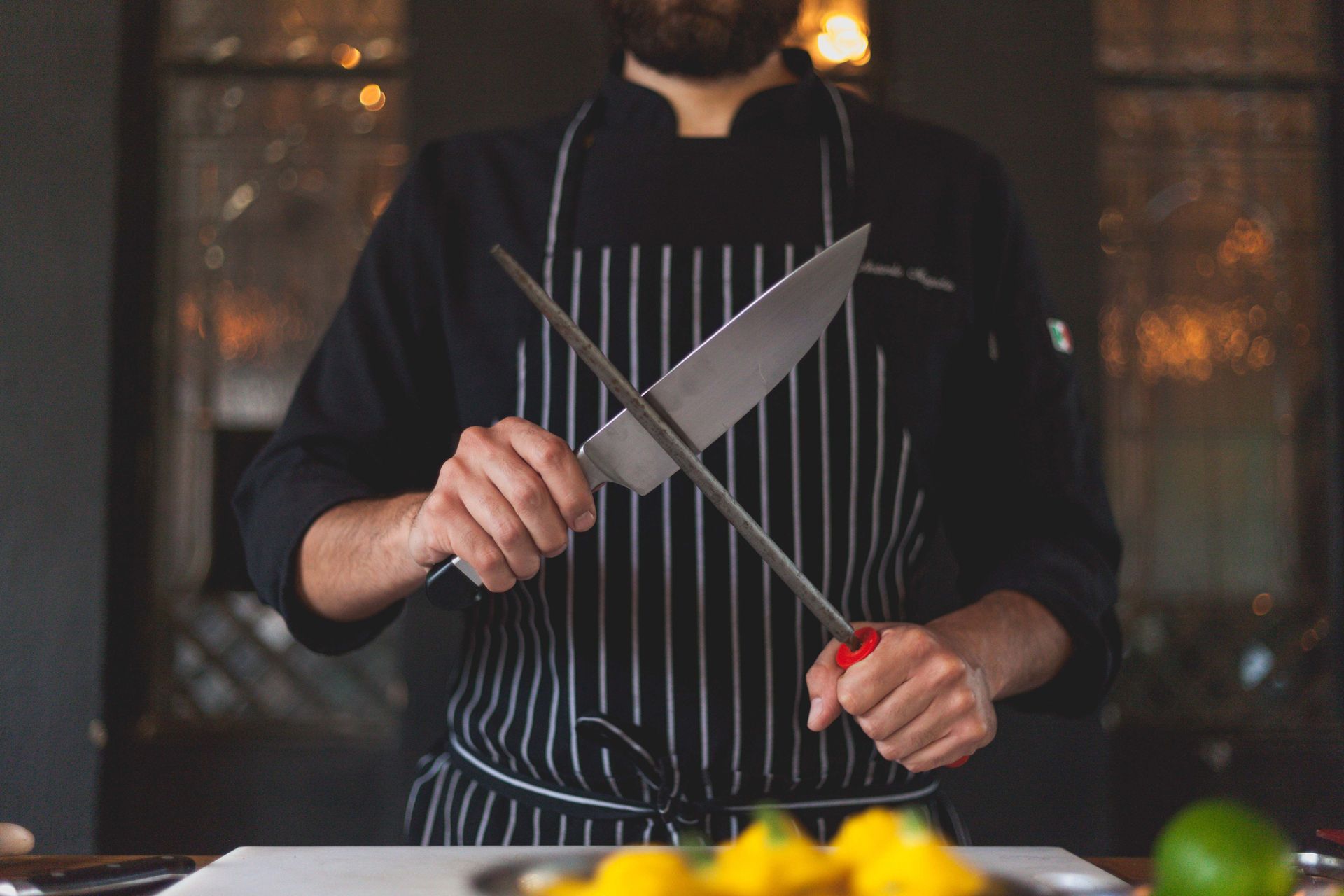
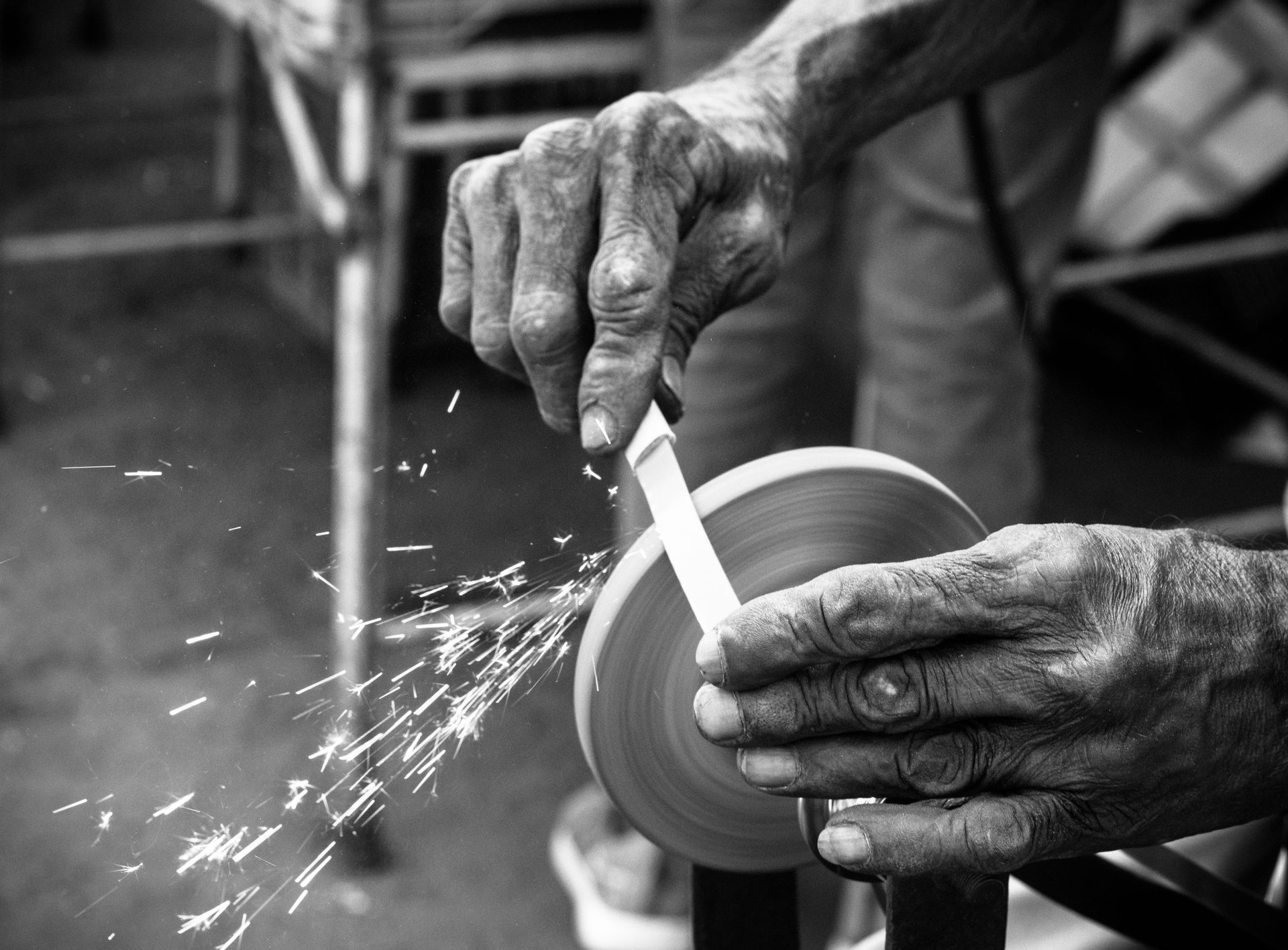
Many at-home sharpeners can do more harm than good by removing too much steel or creating weak edges.
A professional sharpening service typically includes:
- Full blade inspection
- Precision grinding
- Progressive honing
- Final stropping for razor-level sharpness
Daily Maintenance Tips
To keep your knives performing well:
- Hand wash only
- Use wood or plastic cutting boards
- Store knives in a block or on a magnetic strip
- Avoid tossing knives loose in drawers
Why Regular Knife Maintenance Matters
A properly maintained knife:
- Improves kitchen safety
- Makes food prep easier
- Extends the life of your blades
- Produces cleaner cuts and better cooking results
Final Thoughts
If your knife fails the tomato test, it’s time for maintenance. Whether you need sharpening or full repair, addressing blade issues early can restore performance and improve safety.
A sharp knife should glide through tomatoes—not crush them. Use this quick test regularly to ensure your kitchen tools stay in top shape.