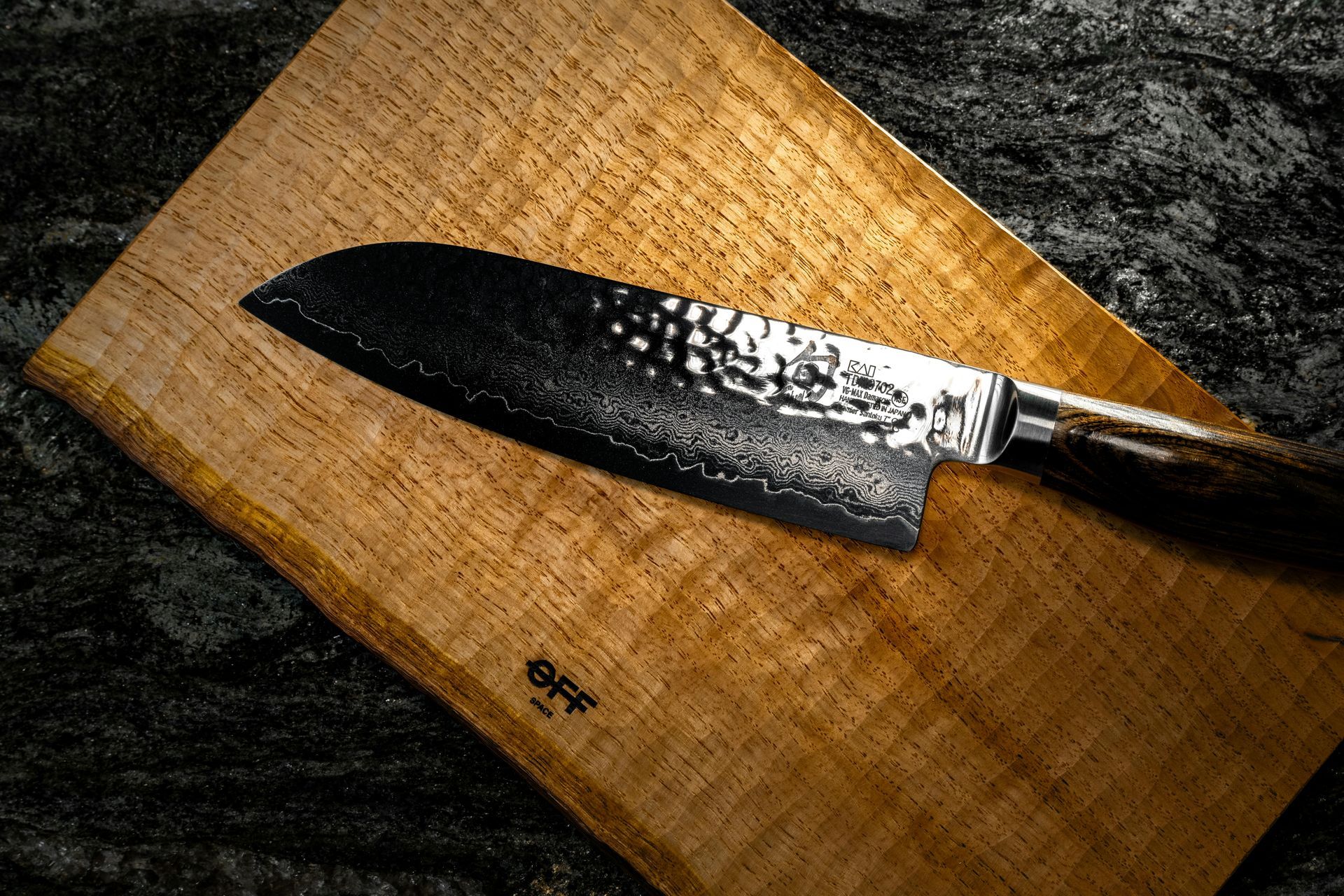
A good chef’s knife is one of the most important tools in any kitchen. Whether you're preparing meals every day or only cooking occasionally, the way you care for your knife has a direct impact on its performance, longevity, and safety.
Unfortunately, many people unknowingly damage their knives through everyday habits. The good news is that most of these mistakes are easy to correct. Here are seven common knife-care mistakes and what you can do instead to keep your blades sharp and reliable.
1. Using Glass or Stone Cutting Boards
Your cutting board matters more than you might think.
While glass, granite, marble, and ceramic boards may look attractive, they're extremely hard surfaces that can quickly damage a knife's edge. Every time the blade makes contact with one of these materials, the impact can cause microscopic chips or rolls in the cutting edge.
Over time, this leads to dullness, reduced cutting performance, and more effort during food preparation.
What to Do Instead
Choose cutting boards made from:
- End-grain wood
- Bamboo
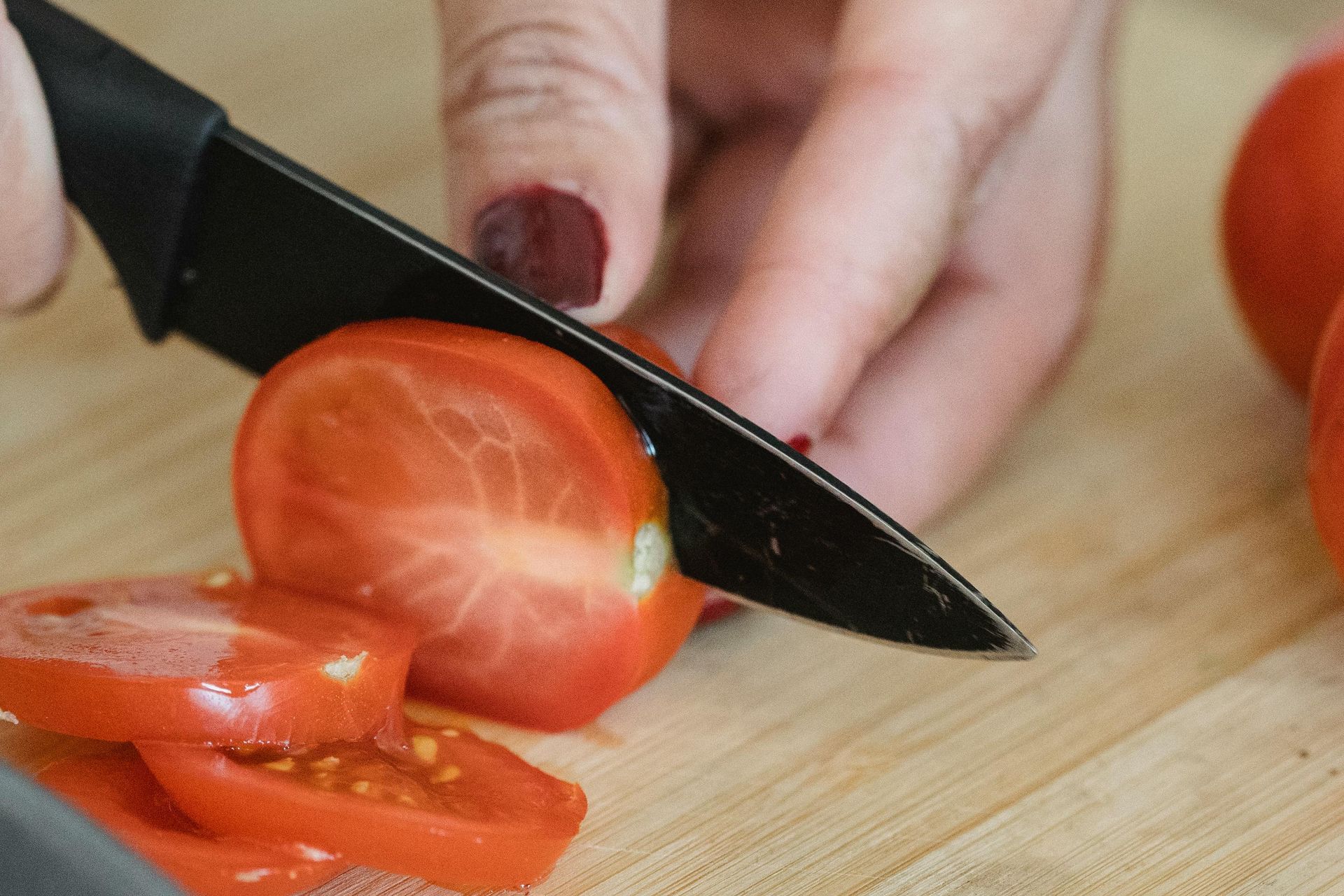
- High-density plastic
If you have stone or glass boards, reserve them for serving cheese, charcuterie, or presentation purposes rather than food prep.
2. Putting Your Knives in the Dishwasher
Dishwashers are convenient, but they're one of the worst places for kitchen knives.
During a wash cycle, knives can bounce against racks, utensils, and other dishes. Combined with harsh detergents and high drying temperatures, this can damage both the blade and handle.
Potential problems include:
- Dull edges
- Rust and corrosion
- Loose or cracked handles
- Premature wear and tear
What to Do Instead
Always hand-wash your knives using warm water and mild dish soap. Dry them immediately with a clean towel rather than letting them air dry.
This simple habit can significantly extend the life of your knives.
3. Tossing Knives into a Drawer
Many kitchens have a "junk drawer" where knives, utensils, and gadgets all end up together.
The problem is that every time the drawer opens and closes, blades collide with other objects. These impacts can create nicks, dents, and dull spots along the cutting edge.
There's also the obvious safety risk of reaching into a drawer full of exposed blades.
What to Do Instead
Consider one of these safer storage solutions:
- Magnetic knife strips
- Knife blocks
- In-drawer knife organizers
- Individual blade guards
Proper storage protects both your knives and your fingers.
4. Scraping Food with the Sharp Edge
After chopping vegetables or herbs, many people use the cutting edge of their knife to scrape ingredients off the board.
Although it seems harmless, this motion puts sideways pressure on the blade's edge. Knife edges are designed for slicing and cutting, not lateral force.
Repeated scraping can quickly roll and dull the edge.
What to Do Instead
Flip the knife over and use the spine (the dull back edge) to move food. Better yet, keep a bench scraper nearby for transferring ingredients from board to pan.
5. Relying on Pull-Through Sharpeners
Pull-through sharpeners are popular because they're inexpensive and easy to use. However, many of these tools remove excessive amounts of metal and often don't match the original angle of your knife.
The result may feel sharp at first, but the edge typically doesn't last long. Over time, these sharpeners can alter the shape of the blade and shorten its lifespan.
What to Do Instead
For better results:
- Learn to use whetstones
- Invest in a quality guided sharpening system
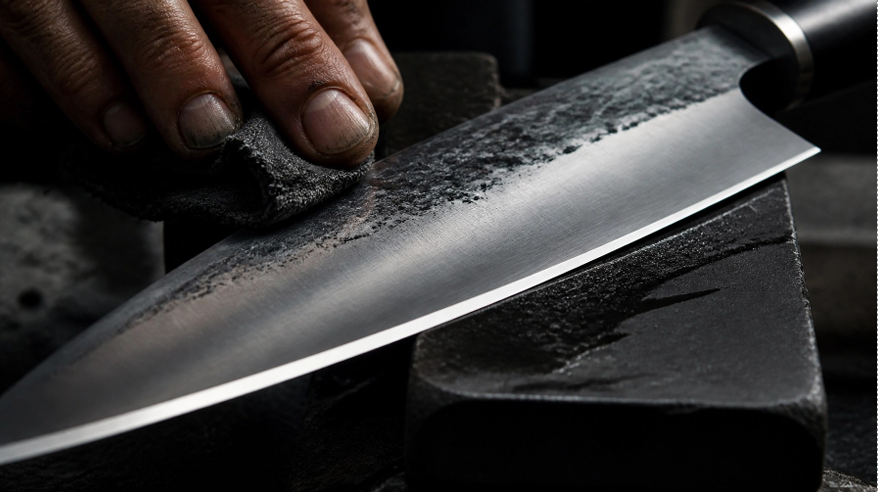
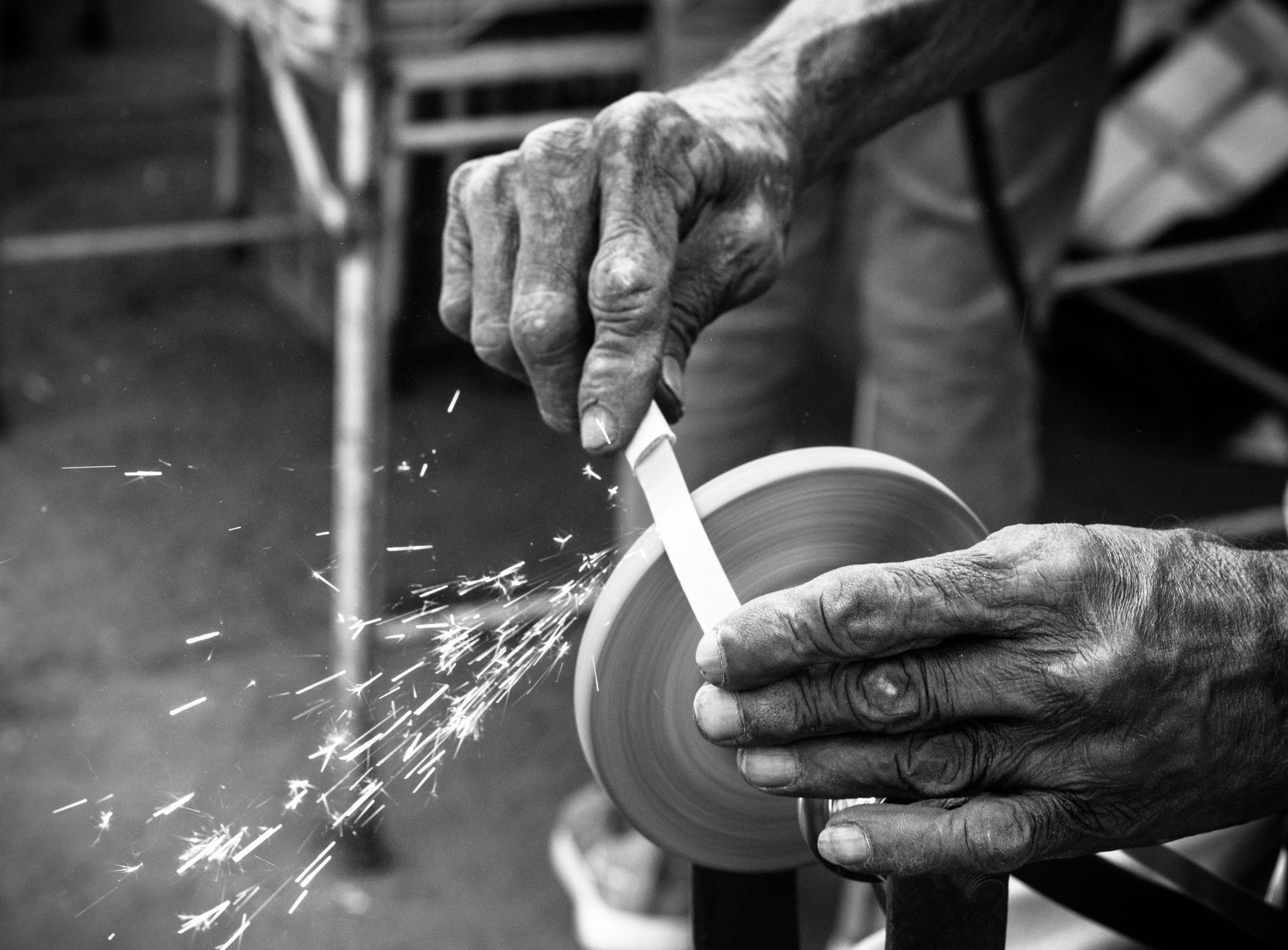
- Schedule professional sharpening when needed
Professional sharpening can restore the knife's geometry while removing only the amount of steel necessary.
6. Ignoring Honing
Many people wait until a knife becomes completely dull before doing any maintenance.
In reality, a knife often loses performance because the edge has bent slightly rather than because the metal has worn away. Honing helps realign that edge and restore cutting performance.
Skipping this step can lead to more frequent sharpening and unnecessary metal loss.
What to Do Instead
Use a honing rod regularly—especially before major meal prep sessions.
For modern kitchen knives, ceramic honing rods are often an excellent choice because they're gentle on harder steels while helping maintain a keen edge.
7. Using the Wrong Knife for the Job
A chef's knife is versatile, but it isn't designed for every task.
Cutting through frozen foods, bones, or extremely hard materials can chip the blade, snap the tip, or even damage the knife beyond repair.
What to Do Instead
Use specialized tools when appropriate:
- Cleavers for bones
- Serrated knives for thick rinds and crusts
- Thawed foods whenever possible
Matching the tool to the task helps preserve your knife and improves safety in the kitchen.
When It's Time for Professional Sharpening
If your knife has chips, significant dullness, or damage from any of the mistakes above, honing alone may not solve the problem.
Professional sharpening services can restore the blade by removing damaged metal, re-establishing the correct edge geometry, and creating a clean, sharp cutting surface.
Regular maintenance not only improves performance but also extends the life of your investment.
A Simple Knife Care Checklist
To keep your chef's knife performing its best:
- Use wood or plastic cutting boards
- Hand-wash and dry immediately
- Store knives properly
- Avoid scraping with the cutting edge
- Skip aggressive pull-through sharpeners
- Hone regularly
- Use the right knife for each task
- Schedule professional sharpening as needed
A quality chef's knife can last for decades when properly cared for. By avoiding these common mistakes, you'll enjoy safer, smoother, and more enjoyable cooking every time you step into the kitchen.